Essential Automotive Tools Every Car Enthusiast Should Own
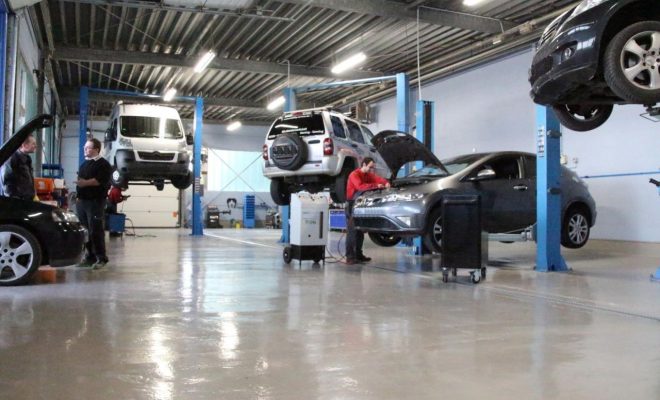
For a true car enthusiast, the garage is much more than a simple storage space to shield a vehicle from the elements. It serves as a personal sanctuary, a workshop, and a laboratory where mechanical engineering meets hands-on passion. Whether your interest lies in performing routine maintenance like oil changes and brake jobs, installing aftermarket performance upgrades, or tackling a comprehensive ground-up restoration project, having the right tools is the defining factor between a successful repair and a frustrating weekend of broken components.
Attempting to work on a modern or classic vehicle with inadequate or makeshift equipment is a recipe for stripped bolt heads, bruised knuckles, and costly damage to sensitive automotive components. Building a proper collection of high-quality, vehicle-specific tools not only ensures that your repair work is performed safely and efficiently, but it also saves thousands of dollars in professional mechanic labor fees over the lifetime of vehicle ownership. This comprehensive guide details the foundational automotive tools that belong in the garage of every serious car enthusiast.
Lifting and Vehicle Support Equipment
Before you can turn a single wrench on the underside of a car, you must establish a perfectly stable, reliable system for raising the vehicle. Never rely on the flimsy, emergency scissor jack included in your vehicle trunk, as these are designed strictly for roadside emergencies and are highly unstable.
High Lift Floor Jack
A heavy-duty hydraulic floor jack is the absolute cornerstone of any automotive tool collection. Look for a low-profile design fabricated from lightweight aluminum or heavy-duty steel. Low-profile jacks are critical because they can easily slip beneath lowered sports cars or front bumper splitters without catching on the bodywork. Ensure the jack has a lifting capacity suited for your vehicle weight, with a three-ton lifting capacity generally serving as the sweet spot for handling everything from compact sedans to heavy SUVs.
Heavy Duty Jack Stands
A hydraulic jack is a lifting device, not a holding device. You must never place any part of your body underneath a vehicle supported solely by a hydraulic jack, as mechanical or hydraulic seal failures can happen without warning. A robust set of high-capacity, ratcheting jack stands is mandatory. Once the car is raised to the desired height, lower it gently onto the jack stands positioned securely at the factory-designated frame lift points. Pin-locking mechanisms add an extra layer of mechanical security to the ratcheting design.
Hand Tools for Fastener Manipulation
The vast majority of automotive repair involves loosening and tightening a massive variety of threaded fasteners, many of which are tucked into tight, dark corners of the engine bay.
Socket Sets in Metric and Standard Sizes
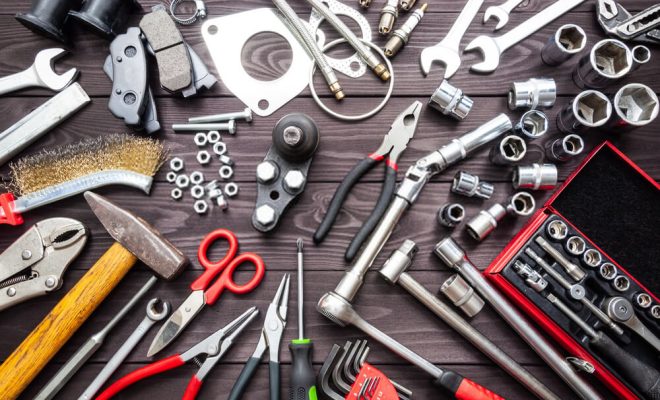
Modern vehicles are constructed almost exclusively using metric fasteners, while older American classic cars utilize Standard or SAE sizes. Investing in a comprehensive socket set that covers both measurement systems will prevent you from getting stuck mid-project. A professional kit should include drive sizes in one-quarter inch, three-eighths inch, and one-half inch variations. Ensure your set includes both shallow sockets for tight spaces and deep-well sockets for reaching nuts recessed on long threaded studs.
Combination and Ratcheting Wrenches
While sockets are excellent, they require a certain amount of clearance above the bolt head. In areas where space is severely restricted, such as between the engine block and the firewall, a high-quality combination wrench is indispensable. Ratcheting open-ended or closed-ended wrenches are an incredible time-saver, allowing you to quickly back out long bolts without the tedious process of removing and resetting the wrench with every single turn.
High Quality Screwdrivers and Torx Bits
Automotive interiors, trim panels, and electrical sensors are heavily secured by specialized fasteners. Beyond standard Phillips and flathead screwdrivers, modern car manufacturers rely intensely on Torx and hex-head fasteners to prevent stripping during factory assembly. A comprehensive set of star-shaped Torx bits and impact-rated screwdriver tips will protect you from permanently chewing up plastic interior clips and delicate engine sensor housings.
Precision and Specialized Maintenance Equipment
As your automotive skills progress, you will move beyond basic disassembly and begin performing tasks that require strict adherence to exact engineering tolerances.
Click Type Torque Wrench
Every single bolt on a vehicle has a specific torque value determined by the manufacturer engineers. Tightening a bolt purely by feel or guesswork can lead to catastrophic failures. Undertightening a component can cause suspension bolts or wheel lug nuts to back out while driving. Overtightening can stretch a bolt past its yield point, strip out aluminum threads in the engine block, or distort delicate brake rotors. A click-type torque wrench allows you to dial in the exact foot-pounds or inch-pounds required, clicking mechanically the moment the correct tension is achieved.
Digital Multimeter
Modern automobiles are essentially rolling computers packed with complex electrical networks, sensors, relays, and wiring harnesses. When an electrical component fails or a fuse blows, a digital multimeter is your primary diagnostic tool. This device allows you to safely test for battery voltage, verify electrical ground integrity, check for parasitic battery drains, and measure continuity across questionable wires, preventing you from blindly throwing expensive replacement parts at an electrical problem.
On Board Diagnostics Scanner
When the dreaded check engine light illuminates on your dashboard, the vehicle internal computer is alerting you to an active fault code. An On-Board Diagnostics or OBD2 scanner plugs directly into the port located beneath the driver side dashboard. A high-quality scanner reads the specific alphanumeric trouble code, displays real-time engine sensor data, and allows you to reset the light after completing a repair, providing immediate clarity on what is happening inside the engine management system.
Impact Tools and Power Automation
Once you have mastered manual hand tools, adding select power tools to your workshop arsenal will drastically increase your productivity and reduce physical fatigue.
Cordless High Torque Impact Wrench
Loosening rusted suspension bolts, stubborn subframe hardware, or seized wheel lug nuts with a manual breaker bar can be physically exhausting and time-consuming. A modern, battery-powered brushless impact wrench provides hundreds of foot-pounds of instantaneous breakaway torque. This tool breaks loose stubborn fasteners in a matter of seconds, turning a grueling, multi-hour suspension overhaul into a swift, manageable project. Ensure you pair your impact wrench with dedicated, thick-walled impact sockets, as standard chrome sockets can shatter under the intense percussive force.
Frequently Asked Questions
What is the difference between chrome sockets and impact sockets?
Chrome sockets are fabricated from a hard, brittle steel alloy designed to resist bending under manual hand force, and their shiny finish makes them easy to clean. However, when subjected to the rapid, hammering blows of an impact wrench, chrome sockets can shatter violently into sharp fragments. Impact sockets are constructed from a softer, more ductile chrome-molybdenum steel that absorbs the intense rotational shocks without breaking, featuring a matte black finish for easy identification.
Why do I need non marring pry tools for working on car interiors?
Traditional metal screwdrivers or metal pry bars will easily scratch, gouge, and crack soft plastic dashboard components, leather panels, and door card clips when you attempt to remove them. Non-marring interior pry tools are fabricated from heavy-duty nylon or polyurethane materials. They feature specialized wedge shapes that allow you to pop plastic fasteners free safely without leaving any permanent cosmetic damage on delicate interior surfaces.
How do I know if my car uses metric or standard fasteners?
As a general rule, virtually every foreign and domestic vehicle manufactured after the mid-1980s utilizes metric fasteners for the engine, chassis, and bodywork. If you are working on an older American classic vehicle built prior to this era, it will almost certainly require standard SAE fractions of an inch tools. However, during transitional years, some domestic manufacturers utilized a mix of both systems on a single vehicle, making it wise to own both sets.
What is a breaker bar, and when should I use it instead of a ratchet?
A breaker bar is a long, non-ratcheting handle designed specifically for breaking loose highly stubborn, rusted, or high-torque fasteners. Standard ratchets contain delicate internal gear teeth and pawls that can slip or strip completely if you apply excessive leverage or use a cheater pipe. You should always use a breaker bar to initiate the loosening process on stubborn bolts, switching to a standard ratcheting wrench only after the initial mechanical bond is broken.
How often should a click type torque wrench be calibrated?
To ensure absolute accuracy, a torque wrench used regularly by a hobbyist should be sent to a professional calibration facility or replaced roughly once every one to two years, or after every few hundred uses. To maintain calibration long-term, always dial the wrench scale back down to its lowest setting or zero mark before storing it away in its protective case. Leaving a torque wrench stored under high tension compresses the internal spring permanently, leading to inaccurate readings over time.
What is the benefit of a magnetic parts tray in an automotive garage?
An automotive engine bay is full of deep, dark crevices, and dropping a critical subframe nut or small trim screw into the abyss can derail your entire afternoon. A magnetic parts tray uses a powerful permanent magnet to securely hold loose steel bolts, washers, nuts, and small clips inside the metallic bowl, even if the tray is mounted sideways or upside down against the side of a steel metal toolbox or a vehicle frame rail.
Why should I buy a dedicated oil filter wrench instead of using standard pliers?
Oil filters are often tightened securely at the factory or become baked onto the engine block over months of thermal cycling. Furthermore, they are frequently located in cramped, hot areas near the exhaust manifold. Standard pliers will slip, puncture the thin metal canister of the filter, and cause messy oil leaks. A dedicated strap, end-cap, or plier-style oil filter wrench grips the circumference of the filter evenly, allowing for quick removal without crushing the component.