The automobile, or simply the auto, stands as one of the most transformative inventions in human history, fundamentally altering how society functions and individuals experience the world around them. Beyond being a mechanical marvel, the auto represents a profound cultural, technological, and economic force that continues to evolve in response to shifting needs and values. From its origins as a curiosity to today’s complex, intelligent machines, the automobile’s journey tells a rich story of innovation, freedom, and adaptation—a story that is far from over.
The genesis of the automobile was marked by ingenuity and determination. Early prototypes experimented with steam power, electricity, and internal combustion engines, but it was Karl Benz’s 1886 Motorwagen that laid the groundwork for the modern car. This pioneering invention set the stage for rapid advancement, especially when Henry Ford introduced the assembly line, democratizing automobile ownership by making cars affordable to the masses. This shift did more than simply change transportation; it reshaped entire economies, facilitated suburban expansion, and redefined personal freedom. The auto became an icon of independence, an enabler of mobility that transcended geographical and social boundaries.
Culturally, the automobile quickly transcended its utilitarian roots to become a symbol of status, identity, and lifestyle. In many societies, a car represents more than transportation—it’s a statement. It embodies aspirations, personal taste, and even technological progress. The automobile influenced music, film, and literature, carving out a unique niche in popular culture as an emblem of adventure and self-expression. The open road, immortalized in countless songs and stories, came to symbolize limitless possibility, a metaphor for the journey of life itself. This cultural embedding helped the auto become a cornerstone of social interaction and economic vitality.
Yet, the automobile’s ubiquity has introduced complex challenges, particularly regarding environmental impact. The reliance on fossil fuels has contributed significantly to pollution, climate change, and resource depletion. These pressing concerns have catalyzed a shift toward sustainability, driving innovation in electric vehicles, hybrids, and alternative energy sources. The industry is now navigating a critical juncture, balancing the desire for performance and convenience with a commitment to environmental stewardship. This transition underscores the automobile’s ability to adapt, reflecting society’s evolving priorities and the increasing demand for greener mobility solutions.
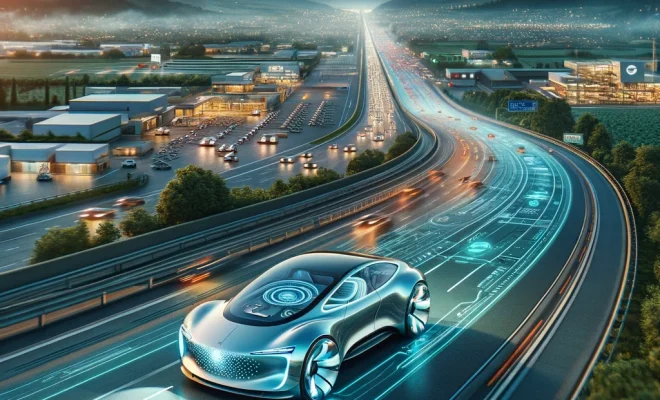
Technological innovation remains the heartbeat of the automotive world. Today’s cars are integrated with sophisticated systems—advanced driver assistance, connectivity, and artificial intelligence—that elevate both safety and user experience. Autonomous vehicles, once a futuristic concept, are rapidly approaching practical reality, promising to transform urban mobility, reduce accidents, and optimize traffic flows. These developments blur the boundaries between transportation and technology, positioning the auto not just as a machine, but as a smart platform capable of dynamic interaction with its environment and users. The promise of connected, autonomous vehicles heralds a future where mobility is safer, more efficient, and more accessible.
Despite these technological leaps, the emotional and experiential essence of driving remains deeply ingrained. The sensory engagement—the subtle feedback of steering, the sound of the engine, the tactile connection to the road—creates a unique bond between driver and machine. This connection fosters a sense of control and freedom that is hard to replicate with autonomous systems. Cars hold memories and traditions, whether family road trips, late-night drives, or moments of solitude on open highways. This human dimension is a reminder that the automobile is not merely a tool but a companion on life’s journeys.
Economically, the automobile industry continues to be a powerhouse, supporting millions of jobs worldwide and acting as a catalyst for technological progress across various sectors. It drives innovation in materials science, software, energy, and logistics, creating ripple effects that reach far beyond vehicle manufacturing. The culture surrounding automobiles—motorsports, car shows, enthusiast communities—further enriches this ecosystem, fostering a shared passion that transcends borders and demographics. This vibrant tapestry of innovation, economy, and culture illustrates the auto’s enduring relevance.
Looking forward, the future of the automobile is one of dynamic transformation. Environmental imperatives will accelerate the adoption of electric and hydrogen-powered vehicles, while urbanization and changing consumer preferences will drive innovations in shared mobility, micro-mobility, and integrated transit solutions. Digital technologies will continue to redefine the automotive experience, enhancing personalization, safety, and connectivity. However, these advances also raise important ethical and social questions about data privacy, equitable access, and the impact of automation on employment.
In conclusion, the automobile is much more than a means of transportation; it is a mirror reflecting human ambition, creativity, and resilience. Its evolution encapsulates our desire to innovate, explore, and connect, while also challenging us to address the complex realities of sustainability and social responsibility. As the auto continues to evolve, it invites us to imagine new ways of living and moving—where technology and humanity coexist harmoniously on the road ahead. The story of the automobile is far from finished; it is an ongoing journey that promises to shape our world for generations to come.