The Ultimate Spring Cleaning Checklist for Every Room
The transition from winter to spring brings a natural desire to refresh our living environments. During the colder months, homes are kept tightly shut to conserve heat, which leads to an accumulation of dust, airborne particles, and indoor pollutants. Deep cleaning your entire home might feel like an overwhelming project, but breaking the tasks down room by room makes the process entirely manageable.
A thorough deep cleaning does more than just make your home look visually appealing. It actively eliminates hidden allergens, reduces household bacteria, improves indoor air quality, and creates a more peaceful living environment. This comprehensive checklist provides a systematic approach to cleaning every major zone in your home efficiently.
Essential Strategies Before You Begin
To maximize your time and energy, it helps to adopt a few universal cleaning principles used by professional house cleaners. Following these basic strategies will prevent you from repeating tasks or spreading dirt around.
Clean from Top to Bottom
Always start at the absolute highest point in a room and work your way down to the floor. Dust and debris naturally obey gravity. By dusting ceiling fans, crown molding, and light fixtures first, any loose particles will fall onto lower surfaces that you have not yet cleaned. The floors should always be the absolute final task in any room.
Work in a Circle
When cleaning the main perimeter of a room, pick a starting point, such as the doorway, and move methodically around the space in a clockwise or counterclockwise direction. This structured movement ensures you do not miss hidden corners or skip over specific pieces of furniture.
Gather Your Tools First
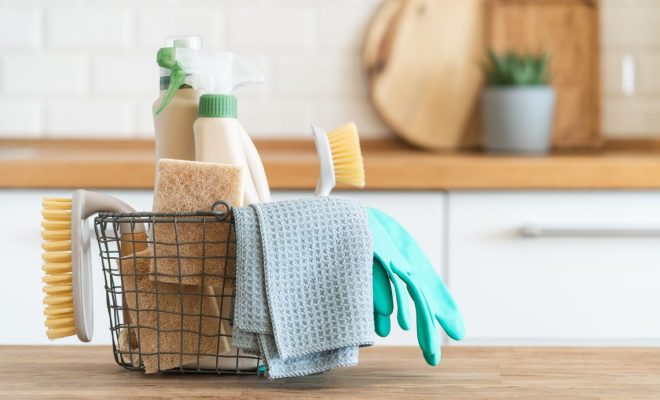
Minimize distractions and save time by carrying all your necessary cleaning supplies with you in a portable caddy. A standard deep-cleaning toolkit should include:
-
Microfiber cloths, which trap dust instead of pushing it into the air
-
An extendable duster for high ceilings and light fixtures
-
A multi-surface spray cleaner and a dedicated glass cleaner
-
Baking soda and white distilled vinegar for natural stain removal
-
A high-efficiency vacuum cleaner with attachments for upholstery
The Kitchen Deep Clean
The kitchen is a high-traffic area that demands a strict focus on sanitation due to food preparation. Over time, grease and cooking oils atomize into the air, creating a sticky film on surfaces that standard daily wiping cannot completely remove.
Appliances
-
The Refrigerator: Remove all food items, discarding anything expired or spoiled. Take out the removable shelves and plastic drawers, washing them thoroughly in warm, soapy water. Wipe down the interior walls with a mixture of baking soda and water to neutralize odors before reassembling. Vacuum the dust off the condenser coils located at the back or bottom of the unit to improve energy efficiency.
-
The Oven and Stovetop: Apply a dedicated oven cleaner or a thick paste of baking soda and water to the interior surfaces, letting it sit overnight to break down baked-on carbon grease. Scrub the oven racks and wash the stovetop burner grates.
-
The Microwave: Place a microwave-safe bowl filled with water and a few tablespoons of white vinegar inside. Microwave on high for five minutes until steam fills the interior. Let it sit for two minutes to loosen dried food splatters, then easily wipe the interior clean with a damp cloth.
Cabinetry and Countertops
-
Cabinet Fronts: Wipe down the exterior doors of all cabinets, paying special attention to the areas around the handles where skin oils and food residue build up.
-
Pantry Organization: Empty the pantry shelves completely. Wipe down the surfaces, throw away stale food items, and group similar ingredients together in airtight storage containers.
Living Room and Common Areas
Living rooms are centered around comfort, which means they contain a high concentration of soft textiles that easily trap pet dander, dust mites, and daily outdoor debris.
Furniture and Upholstery
-
Fabric Sofas and Chairs: Remove all cushions and vacuum deep into the crevices of the furniture frame. Check the care labels on your cushions to determine if the covers can be machine washed or if they require professional steam cleaning.
-
Wooden Furniture: Clean wooden coffee tables, side tables, and bookshelves with a damp microfiber cloth, then apply a natural wood conditioner or polish to restore moisture and shine to the material.
Lighting and Windows
-
Ceiling Fans: Slide an old pillowcase over each individual fan blade. Pull the fabric back to trap the thick accumulation of dust inside the pillowcase, preventing it from falling onto your face or carpet.
-
Window Treatments: Take down fabric curtains and launder them according to the manufacturer guidelines. Dust horizontal blinds with a damp cloth or a specialized blind-cleaning tool. Wash the interior and exterior window glass with a dedicated glass cleaner, and wipe down the window sills and tracks.
Bedroom Rejuvenation
We spend a third of our lives in our bedrooms, making it vital to establish a clean, allergen-free environment that supports restorative sleep.
Bedding and Mattress Care
-
Deep Laundering: Wash all bedding, including items that are skipped during weekly laundry cycles, such as comforters, duvets, heavy blankets, and bed skirts.
-
Mattress Sanitizing: Remove all linens and sprinkle a generous layer of baking soda directly across the entire surface of the mattress. Let it sit for at least one hour to absorb ambient odors and body oils, then vacuum the mattress thoroughly using a clean upholstery attachment. Rotate the mattress 180 degrees to ensure even wear over time.
Closet Organization
-
Seasonal Swapping: Move heavy winter clothing to storage bins and bring spring garments to the front of the closet.
-
Decluttering: Evaluate items that have not been worn over the past year. Separate these clothes into dedicated piles for donation or textile recycling to free up valuable storage space.
Bathroom Sanitation and Scale Removal
Due to constant exposure to water, bathrooms require products that can effectively dissolve mineral scale, soap scum, and early mold spores.
Tub, Shower, and Tile
-
Grout Cleaning: Apply a specialized grout cleaner or a paste of baking soda and hydrogen peroxide to the tile grout lines. Let it sit for ten minutes, then scrub vigorously with a stiff-bristled brush to remove dark discoloration.
-
Showerheads: If your showerhead has restricted water flow due to calcium buildup, fill a plastic bag with white distilled vinegar. Submerge the showerhead in the bag and secure it in place with a rubber band. Allow it to soak for several hours to dissolve the mineral deposits completely.
Vanity and Fixtures
-
Disinfecting: Clean the sink basin, countertops, and faucet fixtures with an antibacterial cleaner. Empty the medicine cabinet, safely discarding expired medications and old cosmetics.
Flooring and Baseboards
Floors and baseboards collect the dust and cleaning overspray from every task completed above them, making them the ideal final focus of your spring cleaning checklist.
Baseboard Care
-
Wipe down all baseboards throughout the house using a bucket of warm water mixed with a small amount of dish soap. For an added benefit, wipe the clean baseboards with a fabric dryer sheet. The anti-static properties of the dryer sheet will help repel dust, keeping the baseboards clean for a longer period.
Carpets and Rugs
-
Move lightweight furniture out of the way and vacuum all carpets thoroughly. Consider renting a professional-grade carpet cleaner to steam clean high-traffic hallways and rugs, removing deep-seated dirt that standard vacuuming cannot reach.
Frequently Asked Questions
How often should I wash my walls during a spring clean?
Washing walls is typically an annual task that fits perfectly into a spring cleaning schedule. Focus on high-touch areas around light switches, door frames, and hallways where handprints and scuff marks accumulate. Use a soft sponge dipped in a mixture of warm water and a mild dish soap, wiping gently to avoid stripping away the wall paint.
What is the most efficient way to clean baseboards without bending down?
To protect your back and knees, attach a damp microfiber cloth to the flat head of a standard microfiber floor mop using rubber bands or the built-in clips. This allows you to walk along the perimeter of the room and wipe the baseboards clean while standing completely upright.
How can I safely clean my electronic devices during spring cleaning?
Never spray liquid cleaners directly onto electronic screens, remotes, or keyboards. Instead, power down the devices and wipe the screens with a dry, lint-free microfiber cloth. To disinfect remote controls and keyboards, lightly dampen a cloth with isopropyl alcohol, wipe the keys thoroughly, and use a wooden toothpick to gently remove trapped debris from the crevices.
Should I clean my air vents, and how do I do it?
Yes. Cleaning your supply and return air registers improves heating and cooling efficiency and reduces airborne dust. Remove the metal vent covers entirely, wash them in the kitchen sink with warm, soapy water, and allow them to dry completely. While the covers are off, use your vacuum hose attachment to reach as far into the ductwork as possible to remove loose dust.
How do I clean a washing machine that has developed a musty smell?
To clean a washing machine, pour two cups of white distilled vinegar directly into the drum and run a complete cycle on the hottest water setting. For front-loading machines, wipe down the flexible rubber door gasket with a bleach-dampened cloth, as this area frequently traps water and grows mold. Leave the machine door cracked open after use to allow the interior to dry completely.
What is the best way to clean outdoor patio furniture?
Mix a few tablespoons of dish soap into a bucket of warm water. Use a soft nylon scrub brush to wash down plastic, wrought iron, or resin wicker furniture, then rinse the pieces thoroughly with a standard garden hose. Avoid using pressure washers at high settings, as the intense force can splinter wood or crack plastic materials.
How can I naturally remove stains from a porcelain kitchen sink?
Create a paste by mixing baking soda with a small amount of hydrogen peroxide. Spread the paste evenly over the porcelain surface and let it sit for fifteen minutes. Scrub the sink gently with a non-scratch sponge, then rinse thoroughly with warm water to lift stubborn coffee, tea, and rust stains without scratching the porcelain finish.